
Buying a new air conditioner is a decision you only need to make every 15 to 20 years, but it’s still an important one. The right system keeps your home comfortable and your energy bills in check, while the wrong one can cost you from day one. Here is a breakdown of what matters most: system type, efficiency, sizing, ductwork, brands, and installation cost.
Start With the Type of System That Fits Your Home
The right AC type depends on your home’s setup, including whether you have existing ducts, the age of your home, your current heating and cooling systems, and your zoning preferences. Here is how the most common options compare.
Central Air Conditioning
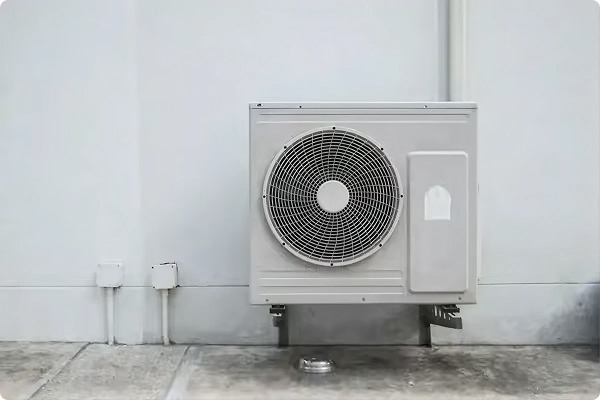
A central air system pairs an outdoor condenser with an indoor coil that sits on top of your furnace, pushing air through your existing ductwork to every room. It is the most common choice for homes with forced-air heat and existing ducts, and usually the most cost-effective option when the ductwork is already in place.
- Best for: Homes with existing forced-air ductwork
- Key advantage: Most cost-effective cooling solution when ducts are already in place
Ductless Mini-Split
A ductless mini-split features indoor units mounted on the wall that connect to an outdoor condenser through a small refrigerant line. Each unit can be controlled independently, which helps with rooms that run consistently hot or cold.
- Best for: Additions, finished attics, garages, and homes without ductwork
- Key advantage: Room-by-room temperature control with no ductwork required
Fan Coil Unit
A ducted fan coil pairs with an existing boiler, heat pump, or chiller and delivers conditioned air through standard ductwork. It is a popular pick for Minneapolis homeowners who have a boiler in their basement and want to add central cooling without abandoning their existing heat source.
- Best for: Homes with hydronic boilers that want to add central cooling
- Key advantage: Adds whole-home cooling without replacing the existing heating system
High Velocity Air Conditioning
High-velocity AC uses 2-inch flexible tubing instead of traditional 6-to-8-inch ductwork. The tubing fits through the narrow wall cavities of older homes that were never designed for central AC, delivering even, hidden cooling without tearing up plaster or dropping ceilings.
- Best for: Older Minneapolis homes with plaster walls and no existing ductwork
- Key advantage: Whole-home cooling with minimal demolition
Sizing, Efficiency, and Ductwork: What to Know Before You Buy
Getting the system type right is only the first step. Sizing, efficiency ratings, and ductwork condition all affect how well your new AC performs and how much it costs to run.
Size the System Right
If your AC unit is too big, it short cycles. It cools the air fast but does not run long enough to pull humidity out, leaving the house feeling clammy and wearing out the system early. An AC that is too small runs nonstop on hot days and still cannot keep up.
The fix is a detailed load calculation, which uses your home’s square footage, insulation, window count, sun exposure, and air leakage to size the system correctly. Hero performs one on every installation. If a contractor is sizing your AC by square footage alone and skipping the full calculation, that is worth questioning before you sign anything.
Understand SEER2 Efficiency Ratings
SEER2 (Seasonal Energy Efficiency Ratio 2) is the federal efficiency rating for new AC systems, replacing the old SEER rating in January 2023. The minimum SEER2 for a new split-system AC in northern states, including Minnesota, is 13.4. The minimum for heat pumps is 14.3 SEER2. Anything below that cannot legally be installed new.
Above the minimum, higher SEER2 means lower energy bills. Most homeowners land between 14.3 and 18 SEER2 for the best balance of upfront cost and long-term savings. Premium variable-speed systems can run 20 SEER2 or higher and pay back faster in homes that run the AC more heavily.
Check Your Ductwork Before You Commit
Old, leaky, or undersized ducts can easily erase the efficiency gains from a brand-new AC. Before installing a high-efficiency system, have your ductwork inspected for leaks, crushed sections, and proper sizing. A good install crew will fix what they find or recommend duct repairs as part of the project. If your home does not have ductwork at all, a high-velocity system or ductless mini-split is usually the better path.
Budgeting for Your New AC System
Compare Brands and Warranties
Most major AC brands including Carrier, Trane, Lennox, Bryant, Rheem, Goodman, and American Standard, make solid equipment. The bigger difference is the installer and the warranty. Look for a 10-year parts warranty on the compressor and coil and ask whether the contractor includes labor coverage. Factory Authorized Dealers often have access to extended warranty options and better parts support.
Plan for Installation Costs
AC installation pricing varies based on system type, size, and what the installation involves. According to Angi, the average AC replacement cost in Minneapolis ranges from $1,500 to $8,200, though high-efficiency and high-velocity systems can sometimes exceed that range. Every reputable contractor provides a written estimate that includes a full breakdown and the specific equipment model before any work begins. If yours does not, ask for one before you sign anything.
Look Into Financing
A new AC is a significant upfront cost, but it does not have to be paid all at once. Many contractors, including Hero, offer financing on AC installs, often with 0% APR options for qualified buyers. Hero finances through Service Finance Company, LLC. Contact us for details on current terms and approval requirements.
Frequently Asked Questions
What size AC do I need for a 2,000-square-foot home in Minneapolis?
Most 2,000-square-foot Minneapolis homes need a 3-to-3.5-ton AC, but square footage is only a starting point. A detailed load calculation tells you exactly what size unit you need based on insulation, windows, sun exposure, ceiling height, and air leakage. Two homes that are the same size can need very different system sizes.
What is the minimum SEER2 rating for AC units in Minnesota?
Since January 2023, the federal minimum for new split-system air conditioners in northern states, including Minnesota, is 13.4 SEER2. The minimum for heat pumps is 14.3 SEER2. Most contractors offer 14.3 SEER2 and above as the starting point on new installs.
How long does AC installation take?
A straightforward central AC replacement usually takes one day. New ductwork, mini-split multi-zone systems, fan coil swaps, and high-velocity installations can take 2 to 5 days depending on the home.
Is a heat pump better than a traditional AC?
Heat pumps cool the same way as a traditional AC but also reverse to provide heat. In Minnesota, a cold-climate heat pump can carry the heating load down to an outdoor temperature of roughly minus 15 degrees, with the furnace picking up below that. For homeowners who want one system to handle both jobs, a dual-fuel setup is often the most efficient option.
Can I add central air to a home with no ductwork?
Yes. Older homes without ductwork have three good options: a ductless mini-split, a high-velocity small-duct system, or a fan coil unit paired with a heat pump. The right pick depends on your home’s layout and existing heat source.
How long does a new AC last?
A well-maintained AC typically lasts 12 to 15 years. Annual maintenance keeps the warranty active, catches small issues before they become big ones, and extends the system’s working life.
Do I need a permit to install central air in Minneapolis?
Yes. Minneapolis and most Minnesota cities require a mechanical permit for new AC installs and full replacements. Permits are typically pulled by the licensed contractor, not the homeowner.
Ready to Choose Your New AC?
If you’re ready to find the right system for your home, Hero Home Services is here to help. Our licensed Minneapolis technicians will run a detailed load calculation, walk you through your options in writing, and provide flat-rate pricing before any work begins. No dispatch fees, no pressure, and no guesswork. Hero has been helping Twin Cities homeowners make smart AC decisions since 1914, and we would be glad to help you make yours.