
Spring is the prime time to get your AC ready for the cooling season. A few hours of preparation, plus one professional tune-up, can prevent most summer breakdowns and keep your electric bill in check. Here are eight tips to work through before the first hot stretch.
Tip 1. Replace or Clean Your Air Filter
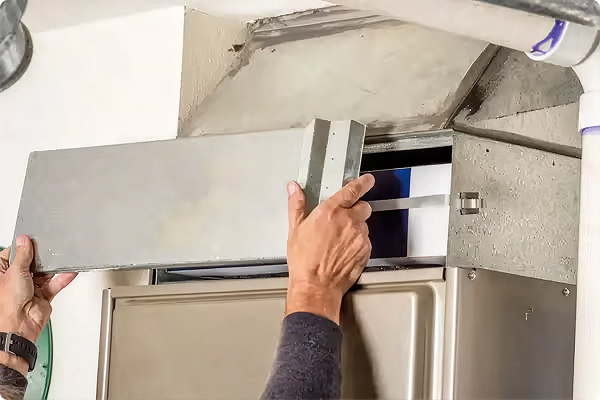
The air filter is the first thing you should check when spring arrives. A clean filter is essential for airflow, indoor air quality, and system efficiency.
How often you replace your filter depends on what type you have.
- Disposable pleated filters (MERV 8-11) need to be replaced every 1 to 3 months
- Washable filters should be rinsed monthly during heavy use
- HEPA filters (MERV 13+) need to be replaced every 3 to 6 months
Match the filter size printed on the frame of the old one. Homes with pets, smokers, or allergy sufferers benefit from monthly changes.
Tip 2. Clean the Outdoor Condenser Unit
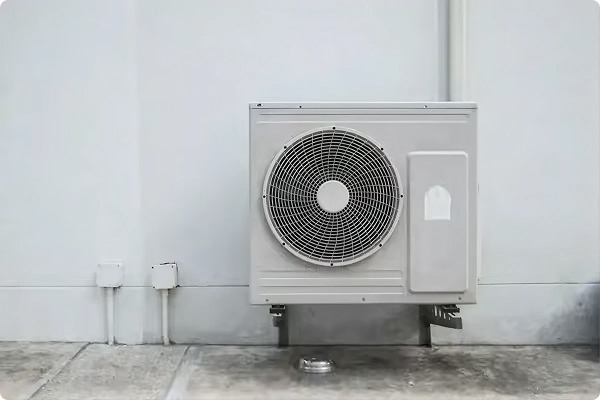
The outdoor condenser collects a full winter’s worth of leaves, cottonwood fluff, and yard debris when it’s not in use. Cleaning it ahead of summer can prevent a cooling emergency.
Before touching the unit, disconnect the power.
- Find the outdoor disconnect box, which is a small metal box mounted on the wall near the condenser, and switch it off.
- Wait 5 minutes before touching anything to allow internal electrical components to safely discharge.
- Confirm the fan has fully stopped spinning before proceeding.
Once the power is off, here’s how to clean the unit.
- Vacuum loose debris off the exterior fins (the thin parallel slats on the outside of the unit) with a soft brush attachment.
- Spray the exterior fins with a garden hose at moderate pressure, directing the water from the top down to rinse debris out through the bottom.
- Avoid direct spray on electrical components.
- Let the unit fully dry before restoring power.
A pressure washer can bend the condenser fins permanently, which reduces airflow and efficiency. A regular garden hose gets the job done safely.
Tip 3. Clear the Area Around the Outdoor Unit
The condenser works best when there’s open airflow on all sides. When shrubs, fences, or other items crowd the unit, hot air recirculates instead of dispersing.
To make sure your condenser has enough room to breathe, follow these simple guidelines:
- 2 to 3 feet of open space on every side
- 5 feet of clearance above
- No overhanging branches, plants, or storage
Trim vegetation back at the start of every cooling season. If a fence or structure sits too close, consider relocating either the unit or the obstruction.
Tip 4. Check and Clean the Condensate Drain Line
The drain line is the white PVC pipe running from the indoor unit’s drip pan to an exterior drain or floor drain. It carries away water that condenses on the evaporator coil while the system runs.
Algae and dust can build up inside the line over the winter. A partial clog backs water into the drip pan, and a full clog can shut the AC off or flood the area around the indoor unit.
To clear the line, follow these steps.
- Find where the drain line exits the house, usually a small white pipe coming through an exterior wall near the indoor unit.
- Pour a cup of distilled white vinegar into the cleanout access, which is a small, capped opening on the drain line near the indoor unit.
- Let it sit for 30 minutes.
- Follow with warm water to flush.
Repeat every few months during the cooling season to keep the line from clogging.
Tip 5. Inspect Visible Ductwork for Leaks
Cool air that escapes into your attic or basement from leaky ducts wastes energy and leaves your rooms warmer than desired. Spring is a good time to take a look at any accessible ductwork.
Here’s what to look for when inspecting accessible ductwork.
- Disconnected sections at seams or elbows.
- Tears or holes in flex ducts.
- Debris blockages at supply registers or return grilles.
- Loose or missing duct insulation.
- Air escaping when the system runs (feel with your hand near suspicious seams)
Small gaps can be sealed with foil HVAC tape (not standard duct tape). Larger problems, sagging insulation, or more significant leaks need professional attention.
Tip 6. Check Attic Insulation
Attic insulation directly affects how hard an AC has to work all summer. Warm attic air radiates into ceilings, and the system needs to run longer to keep up.
Minnesota code recommends R-49 to R-60 attic insulation for new construction. Homes built before 2000 often have R-19 to R-30, well below that standard.
These are the most common signs that attic insulation isn’t keeping up.
- Ceilings feel warm on hot days.
- Second-floor bedrooms consistently run warmer than the first floor.
- Cooling bills climb every year despite regular AC maintenance.
- Visible daylight can be seen around attic hatches or vents.
Adding blown-in cellulose or fiberglass insulation is one of the most cost-effective home improvements. It reduces AC runtime, extends equipment life, and typically pays for itself through lower energy bills over 5 to 10 years.
Tip 7. Test Your Thermostat and Update Programming
The thermostat is often the first point of failure homeowners overlook in spring. Before running the AC for the season, perform this quick checklist.
- Replace batteries if the thermostat is battery-powered.
- Confirm the mode is set to “Cool,” not “Heat” or “Off.”
- Verify the fan is set to “Auto,” not “On.”
- Update programmed schedules to match summer routines.
- Test that the system kicks on by lowering the temperature setting 3 to 5 degrees below the current room temperature.
For homes still running an older mercury or basic digital thermostat, a smart thermostat can cut your energy bills by about $100 a year through better scheduling, geofencing, and remote control.
Tip 8. Schedule a Professional Spring Tune-Up
DIY prep only gets you so far. A professional tune-up handles the interior work that needs specialized tools including refrigerant charge verification, coil cleaning, capacitor testing, electrical connection tightening, and airflow measurement. Plus, a spring AC maintenance visit usually only takes 60 to 90 minutes.
It’s common for manufacturers to require annual professional service to keep the warranty active. For year-round care on HVAC, plumbing, and electrical systems, the Happy Home Club maintenance plan covers scheduled maintenance, no dispatch fees, and 20% off HVAC repairs for $14.95 per month.
Spring AC Prep Checklist
This quick reference covers everything to work through before cooling season begins
- Replace or clean the air filter.
- Turn off power and clean the outdoor condenser.
- Clear 2 to 3 feet around the outdoor unit.
- Flush the condensate drain line with distilled vinegar.
- Inspect visible ductwork for leaks or blockages.
- Check attic insulation levels.
- Test the thermostat and update the summer schedule.
- Book a professional spring tune-up.
Frequently Asked Questions
When should I turn on my AC for the season?
Wait until outdoor daytime temperatures consistently hit 60 degrees or higher. Running a standard central AC in colder weather can freeze the coil and damage the compressor.
How long does a spring AC tune-up take?
Most tune-ups take 60 to 90 minutes. A comprehensive first-time visit to an older system can take up to 2 hours.
What happens if I skip spring AC maintenance?
Skipping annual service usually shortens system life, drives up cooling bills, and increases the risk of mid-summer breakdowns. It also voids most manufacturer warranties.
Can I do spring AC maintenance myself?
Homeowners can handle filter changes, condenser cleaning (with the power off), drain line flushing, and thermostat updates. Refrigerant, electrical, and internal component work requires a licensed technician.
Schedule Your Spring Tune-Up with Hero
Whether it’s a spring tune-up, a coil cleaning, or a full pre-season system inspection, Hero Home Services is ready to help. We’ve been keeping Twin Cities homes comfortable since 1914. Call or text us to schedule spring AC maintenance before the first summer heat wave.