
When a central AC stops cooling well, low refrigerant is one possible cause. It’s not the most common, and it’s easy to mistake for issues that are quicker and cheaper to fix.
Here’s how to spot the five most common signs of low refrigerant, when it’s worth calling a technician, and how your system’s age and refrigerant type affect the cost.
Sign 1: Your AC Is Blowing Warm Air
When the vents blow warm or lukewarm air while the system is running, refrigerant loss is one possible cause.
Refrigerant is what pulls heat out of the indoor air. Without enough of it, the coil can’t do its job, and warm air ends up circulating back through the vents.
However, warm air can also stem from other issues, such as the wrong thermostat mode, a dirty filter, a frozen evaporator coil, or a failed compressor. A licensed technician can tell you exactly what you need.
Sign 2: You Notice Ice or Frost on the Unit
Ice on an AC almost always signals restricted airflow or low refrigerant. Look for frost or ice on the copper suction line where it meets the outdoor condenser, or on the indoor evaporator coil.
If you see ice, shut the system off immediately to prevent compressor damage.
Sign 3: Your Energy Bills Are Unusually High
Your electricity bills climb as your AC works harder. Low refrigerant is one culprit, and it’s an expensive one when left alone. A year-over-year jump of 20% or more on your electric bill points to an issue with the system rather than seasonal variation.
Sign 4: You Hear a Hissing or Bubbling Sound
Refrigerant leaking from your system makes a distinct sound. A hiss usually indicates escaping gas. A bubbling or gurgling sound usually means liquid refrigerant moving through a small opening.
If either sound is audible near the outdoor unit or along the refrigerant line, shut the system off and call a technician. You should never continue running a system with a refrigerant leak.
Sign 5: The AC Runs Constantly Without Cooling
A healthy AC cycles on and off throughout the day. If yours runs nonstop but the house never reaches the temperature you set, the system is losing capacity. Low refrigerant is one common cause, though a failing compressor can produce the same symptom.
Constant runtime drives up your cooling bills and puts extra wear on the system. If your AC is running all day on a mild 75-degree afternoon and still can’t keep up, it’s worth having a technician check the refrigerant level.
Is Your AC Running on R-22 Refrigerant?
The type of refrigerant your system uses significantly impacts the cost of a recharge. R-22 refrigerant has been phased out under EPA regulations since 2020. New R-22 supply stopped that year, and current stock is limited to what’s already been reclaimed.
Prices reflect that. A recharge on an R-22 system can cost $400 to $1,000 or more, compared to $150 to $400 for a modern R-410A or R-454B system.
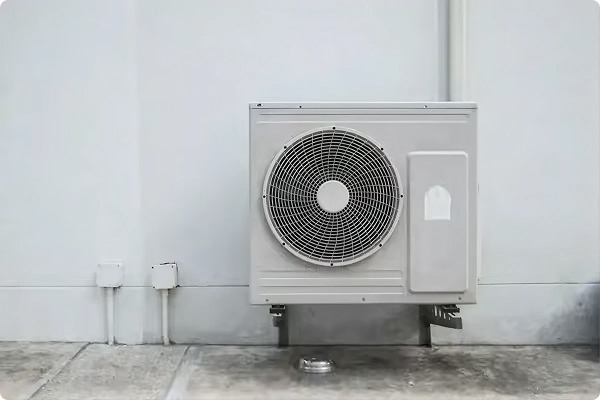
If the AC was installed before 2010, it likely uses R-22. Check the nameplate on the outdoor condenser to confirm.
For an older R-22 system with a leak, the recharge is often more expensive than the system is worth.
What to Do If You Notice These Signs
If one or more of the signs above sound familiar, don’t call a technician just yet. There are a few things worth checking yourself first. Some cooling problems have simple fixes that don’t require a service call. Here’s where to start.
Step 1: Rule Out Thermostat Issues First
Before assuming the problem is refrigerant, start at the thermostat. Most cooling problems have a simpler explanation, and the thermostat is the fastest thing to check.
Check these first:
- Mode is set to “Cool,” not “Heat” or “Off”
- Temperature is set to at least 3 to 5 degrees below the current room temperature
- Batteries are fresh in battery-powered units
- Display isn’t flickering or showing error codes
Step 2: Inspect for Visible Ice or Frost
Walk outside and look at the copper refrigerant lines where they meet the condenser. Ice or frost on the larger insulated line is a strong sign of low refrigerant.
Check the indoor unit too. Open the access panel near the furnace and look for frost on the evaporator coil or standing water in the drip pan. If ice is visible, shut the AC off and let it thaw completely (4 to 24 hours) before doing anything else.
Step 3: Check and Replace the Air Filter
A dirty air filter restricts airflow, which can mimic low refrigerant symptoms. Pull the filter and hold it up to a bright light. If the light doesn’t come through, replace it. Standard filters need swapping every 1 to 3 months during cooling season. Homes with pets or allergy sufferers may benefit from monthly changes.
Once you’ve installed a fresh filter, run the AC for an hour before assuming low refrigerant is the issue.
Step 4: Call a Licensed HVAC Technician
Adding refrigerant to a residential AC requires EPA Section 608 certification. Homeowners aren’t legally allowed to purchase or handle refrigerant.
A licensed technician runs the actual diagnostic:
- Measures refrigerant pressure at the service ports
- Compares the pressure against manufacturer specifications
- Locates any leaks with electronic detection or UV dye
- Repairs the leak
- Recharges to the correct level
Continuing to run an AC with low refrigerant can damage the compressor. Once low refrigerant is confirmed as the issue, schedule an AC repair right away.
Frequently Asked Questions
How much does it cost to recharge an AC?
Recharge cost depends on refrigerant type and how much needs to be added. Modern R-410A or R-454B systems typically run $150 to $400. Older R-22 systems run $400 to $1,000 or more. A written estimate should come before any work begins.
How often does an AC need to be recharged?
A properly sealed AC never needs a recharge under normal operation. Refrigerant runs in a closed loop. Losing refrigerant on a regular basis means there’s a leak that has to be repaired, not just refilled.
Can I add refrigerant to my AC myself?
No. Purchasing and handling refrigerant requires EPA Section 608 certification. It’s illegal for homeowners to buy or add refrigerant without it.
How long does an AC recharge take?
A straightforward recharge with a small leak repair takes 1 to 3 hours. A larger leak or coil replacement can turn into a multi-hour or multi-day project. The technician will provide a timeline during the estimate.
Is it worth charging an old AC?
For an AC over 10 years old that uses R-22, the recharge is often more expensive than the system is worth. A repair-or-replace conversation makes more sense in that case.
Still Not Cooling? It’s Time to Call a Pro.
If any of the signs above are present or the DIY steps haven’t solved the problem, a professional diagnostic is the right next step. Hero handles refrigerant leak detection, recharge, and full system repairs across the Twin Cities. Call or text us and we’ll get a licensed technician to your home.