
Yes, an air conditioner can overheat. Most systems have a built-in safety feature that shuts them down before real damage occurs. But if the AC keeps running while overheating, the compressor can fail. Replacing a compressor is one of the most expensive AC repairs.
Here are the six most common reasons an AC in the Twin Cities overheats, how to spot each one, and how to prevent overheating from happening again. If your AC is running but blowing warm air, that’s a separate issue worth looking into on its own.
Dirty or Clogged Air Filter
A clogged air filter is the most common reason a residential AC overheats. The filter’s job is to keep dust, pollen, and pet dander out of the system.
When it clogs, airflow across the evaporator coil drops. The blower motor works harder to move the same volume of air, and the compressor runs longer trying to reach the temperature you’ve set. Both parts run hotter than they’re designed to.
These are the common symptoms of filter-related overheating.
- Weak airflow at the vents
- System cycling off mid-cooling
- Higher-than-normal cooling bills
- Warm air after 15 to 30 minutes of runtime
Pull the filter and hold it up to a bright light. If light can’t pass through, replace it. Standard filters should be replaced every 1 to 3 months during the cooling season.
Dirty Condenser Coils
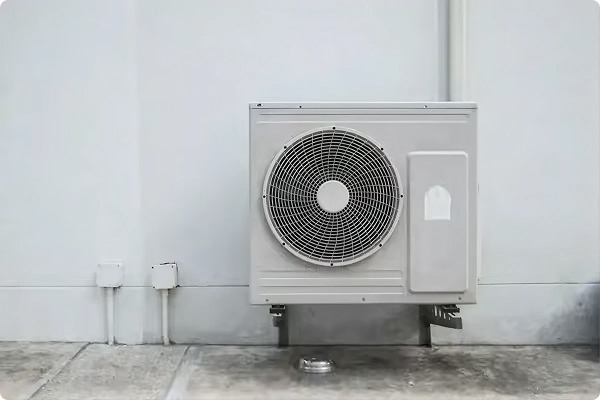
The condenser is the unit that sits outside, and its job is to release the heat from your home into the outside air. Over time, the aluminum coil fins collect grass clippings, cottonwood fluff, leaves, pet hair, and dust.
Once the coil is coated, heat can’t move out efficiently. The compressor runs hotter, and the safety switch trips to shut the system down.
These are the common symptoms of dirty condenser coils.
- The outdoor unit is hot to the touch.
- The system is shutting off after longer runtimes.
- Cooling bills are climbing without a clear cause.
- Visible debris is coating the coil fins.
Light debris can be rinsed off with a garden hose. Avoid pressure washers, which can bend the delicate aluminum fins permanently. If the buildup doesn’t rinse away cleanly, it’s worth scheduling a professional cleaning. Hero technicians use no-rinse coil cleaners that dissolve stubborn grime without damaging the fins.
Low Refrigerant Levels
Refrigerant is what the AC uses to move heat out of the home. It operates in a sealed loop and doesn’t deplete under normal conditions. If the level is low, there’s a leak somewhere in the system.
Low refrigerant makes the compressor work harder to hit the same temperature. The extra effort generates heat, causes the pressure to drop too low, and trips the safety switch.
Common symptoms of low refrigerant:
- Warm air from the vents
- Ice or frost on the copper line at the outdoor unit
- Hissing or bubbling sound near the AC
- System shutting off on a safety switch
Refrigerant work requires a licensed technician. Continuing to run an AC with low refrigerant damages the compressor. Schedule AC repair right away if you suspect a leak.
Electrical Issues
Loose wires, failing capacitors, corroded contacts, and low incoming voltage can all cause an AC to overheat. When electrical connections aren’t clean and tight, current has to work harder to pass through the system, generating heat at every weak point.
Common symptoms of electrical issues:
- System tripping the breaker at the electrical panel
- Burning smell near the outdoor unit
- Humming or clicking without the fan or compressor starting
- Scorch marks at the disconnect box
Electrical work on an AC isn’t a DIY job. Capacitors hold high voltage even when the system is off, and troubleshooting wiring inside an outdoor unit requires a licensed professional. If you see any of these symptoms, shut the AC off at the breaker and schedule a service call.
Cause 5: Failed or Aging Compressor
The compressor is the heart of the AC. It moves refrigerant through the system and does the heaviest work of any component. As it ages, internal wear increases, and heat builds up faster than the system can handle.
Compressors typically last 15 to 20 years in a well-maintained system. Compressors that are not sized properly for the home, or run low on refrigerant for extended periods, often fail closer to 10 to 12 years, sometimes sooner.
A failing compressor usually makes itself known through a few specific signs:
- Loud humming or clicking from the outdoor unit
- Warm air from the vents despite the system running
- Repeated safety shutdowns during hot weather
- Frequent breaker trips at startup
Compressor replacement is expensive. On a system that’s over 10 years old, it’s usually better to replace the whole unit rather than just the compressor. A Hero technician will run a diagnostic and provide both options in writing.
Cause 6: Blocked Airflow Around the Outdoor Unit
The outdoor unit needs room to breathe. When shrubs, fences, or storage crowd it, the heat it’s trying to release just recirculates back in, and the system overheats even if everything else is working fine.
This is a common cause in landscaped yards. Shrubs and ornamental grasses grow fast in summer, and before you know it, the condenser has lost the open space it needs to work properly.
Blocked airflow around the outdoor unit tends to show up in a few ways:
- Outdoor unit is hotter than usual to the touch.
- Warm air comes from the vents on hotter days.
- System is shutting off during peak afternoon heat.
- Higher cooling bills without other obvious causes.
Clear at least two feet of open space on every side of the condenser and five feet above it. Trim any shrubs or grass back to the required clearance and remove stored items. After clearing, give the system 30 minutes to see if performance improves.
What About an Undersized AC or Poor Insulation?
These are contributing factors, not standalone causes.
An AC that’s too small for the home runs constantly trying to keep up, which pushes the compressor and motor to run hotter than they should. A licensed technician can run a detailed load calculation, measuring your home’s square footage, insulation, windows, and sun exposure, to determine the right size for a replacement.
Insufficient insulation also forces the AC to run longer and harder. It’s rarely the direct cause of overheating, but it puts extra strain on a system that’s already working at its limits. Weatherization and attic insulation are worth considering alongside AC repair or replacement in older Twin Cities homes.
How to Prevent an AC From Overheating
A handful of consistent habits prevent most overheating issues.
- Change the air filter every 1 to 3 months during the cooling season.
- Schedule annual professional AC maintenance, including condenser coil cleaning.
- Keep at least two feet of clearance around the outdoor unit and five feet above.
- Trim shrubs and grasses back from the condenser at the start of each cooling season.
- Rinse the outdoor coil with a garden hose, never a pressure washer, once or twice a season.
- Address any unusual sounds, smells, or safety shutdowns before they escalate.
Annual maintenance is the single best defense. Schedule AC maintenance in early spring before the first hot stretch of summer.
Frequently Asked Questions
How do I know if my AC is overheating?
The clearest sign is the system shutting off unexpectedly during hot weather, especially after longer-than-normal runtimes. Other signs include an outdoor unit that’s hot to the touch, warm air from the vents, and repeated breaker trips.
What should I do if my AC shuts off during hot weather?
Switch the thermostat to “Off.” Check the filter and clear any debris around the outdoor unit. Let the system rest for 1 to 2 hours before restarting. If it shuts off again, schedule a service call.
Can AC overheating cause permanent damage?
Yes. Repeated overheating puts serious stress on the compressor and can burn out motors and other internal components. Catching the root cause early prevents much more expensive repairs down the road.
How long should I wait before restarting an overheated AC?
Wait at least 1 to 2 hours after a safety shutdown before restarting. This gives the compressor time to cool down internally. If the system trips again within a few minutes of restarting, don’t keep trying. Call a technician.
How often does an AC need professional maintenance?
Once a year, ideally in spring before temperatures start climbing. Annual maintenance includes cleaning the coils, checking the refrigerant charge, inspecting the electrical components, and testing the blower. It catches most overheating causes before they become emergencies.
Is Your AC Overheating? Call Hero Home Services
If your AC is shutting off unexpectedly, struggling to keep up, or showing any of the signs above, it’s time for a professional diagnostic. Hero Home Services handles filter checks, coil cleaning, refrigerant leak detection, and full system repairs across the Twin Cities. Call or text us, and we’ll send a licensed technician to your home.