
Air conditioning has been in homes long enough that everyone has picked up “facts” from friends, family, or the internet. Some are helpful, but others are completely false.
Here are eight of the most common AC myths Twin Cities homeowners encounter, the truth behind them, and how having accurate information saves you money.
Myth 1: Bigger AC Units Cool Your Home Better
Bigger isn’t always better when it comes to AC. An oversized unit does cool the air quickly, but it shuts off before it can pull enough humidity from your home. The result is a house that feels cold and clammy at the same time.
Here’s what actually happens when an AC is too large for your home.
- The system cycles on and off rapidly instead of running steadily.
- Humidity control suffers, leaving the air feeling damp even when it’s cool.
- Energy bills climb from the constant starting and stopping.
- The compressor wears out faster, shortening the system’s lifespan.
The right size comes from a detailed load assessment of your home’s heating and cooling needs, which factors in square footage, insulation, windows, sun exposure, and air leakage. A licensed installer performs this calculation before recommending any equipment, ensuring the installed system matches your home’s actual needs.
Myth 2: Fans Lower the Temperature in a Room
Ceiling and floor fans don’t cool the air, but they can make you feel cooler. The actual room temperature stays exactly the same when a fan is running.
To get the most out of your fans, turn them off in empty rooms. A fan running in an unoccupied room wastes electricity without cooling anyone. In occupied spaces, set ceiling fans to spin counter-clockwise in summer for the strongest cooling effect.
Myth 3: Turning Your AC Off When You Leave Saves More Energy
Not for most homes. Completely shutting the AC off during the day means the system has to work overtime when it comes back on, and the compressor draws heavy current every time it starts up.
The smarter move is to raise the thermostat 7 to 10 degrees when the home is empty rather than switching it to “Off.” A smart thermostat handles this automatically, adjusting the temperature based on your schedule, so the home is comfortable when you arrive without wasting energy while you’re gone.
Myth 4: You Only Need to Change Your Filter Once a Year
A once-a-year filter change isn’t enough for most Twin Cities homes, especially during the peak cooling season when the system runs heavily.
How often to change your filter depends on the type.
- Standard pleated (MERV 8 to 11) needs replacement every 1 to 3 months during cooling season.
- HEPA (MERV 13 and above) should be replaced every 3 to 6 months
- Washable filter needs to be rinsed monthly during heavy use
Homes with pets, smokers, or people with allergies benefit from monthly changes. A dirty filter obstructs airflow, forces the blower to work harder, causes the coil to freeze, and drives up your energy bill. Keeping your filter clean is one of the simplest things you can do to protect your system.
Myth 5: Setting the Thermostat Lower Cools the Home Faster
A standard AC runs at one speed regardless of the temperature you set. Setting the thermostat to 60 degrees doesn’t cool the home any faster than setting it to 72 degrees.
Even newer variable-speed AC systems don’t cool a room faster when the thermostat is set lower. They can adjust how much air they push, but they can’t work harder just because the number on the thermostat is lower. Set it to your desired temperature and let the system do its job.
Myth 6: AC Units Only Cool the Air
Air conditioners actually do three jobs. They work to cool the air, remove humidity, and filter airborne particles.
What your AC does for indoor humidity is often the most important comfort factor. A room at 78 degrees with 40% humidity feels significantly better than a room at 72 degrees with 65% humidity.
The filter also does more than protect the system’s internal components. It removes dust, pollen, and other allergens from the air with every cycle, which matters especially during Minnesota’s high-pollen seasons.
Myth 7: All AC Units Are Basically the Same
Modern AC systems vary widely across several important categories, and those differences affect your comfort and energy bills for years.
- Efficiency: SEER2 ratings range from the 13.4 federal minimum up to 20 or higher for premium systems.
- System type: Central AC, heat pump, mini-split, high velocity, and fan coil all work differently and suit different homes.
- Refrigerant: Modern systems use R-410A or R-454B, while older systems may still run on the phased-out R-22.
- Compressor type: Variable-speed compressors are significantly more efficient than single-speed models.
Two systems installed in the same house can produce very different energy bills over their working lives. The choice of equipment, size, and installer directly affects your comfort and costs for the next 15 to 20 years.
Myth 8: New AC Units Don’t Need Annual Maintenance
Every AC manufacturer requires annual professional service to keep the warranty active, regardless of how new the system is. A brand-new AC that skips its first annual tune-up may have its warranty voided before it ever needs a repair.
Annual maintenance also catches installation issues early, verifies refrigerant charge, cleans the coils before buildup starts, and keeps efficiency where it was on install day. Skipping it usually shortens system life and drives up cooling bills over time. The Happy Home Club covers scheduled HVAC maintenance, no dispatch fees, and 20% off HVAC repairs for $14.95 per month.
Frequently Asked Questions
What’s the ideal thermostat setting for summer?
Most Twin Cities homes settle between 74 and 78 degrees when occupied and 78 to 82 degrees when empty. According to the U.S. Department of Energy, you can save around 3% on cooling costs for each degree the thermostat is adjusted upward.
Does closing vents in empty rooms save money?
No, and it can damage the system. Closing vents doesn’t reduce the total volume of air the AC has to move. It just builds up pressure inside the ductwork, which strains the blower and causes airflow problems in other rooms.
Is it better to leave the thermostat set to one temperature all day?
No. Raising the thermostat when the home is empty or overnight saves energy without sacrificing comfort. According to the U.S. Department of Energy, adjusting the temperature by 7 to 10 degrees for 8 hours a day can save as much as 10% a year on heating and cooling.
How often should I have my AC professionally serviced?
Once a year, ideally in spring before the first hot stretch of summer. Annual service keeps the warranty active and helps prevent most efficiency issues before they become bigger problems.
Does cleaning the outdoor AC unit really matter?
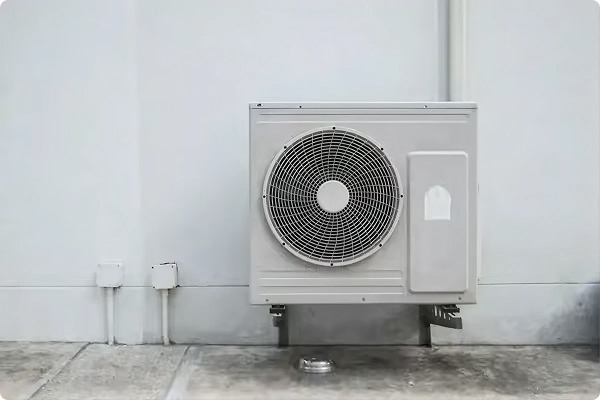
Yes. A dirty condenser coil forces the system to work harder and can shorten equipment life. After turning off the power, rinsing the exterior fins once or twice a season with a garden hose is one of the most valuable homeowner maintenance tasks.
Get Expert AC Help from Hero Home Services
Now that you know the facts, Hero Home Services is ready to handle whatever your system actually needs. We’ve been keeping Twin Cities homes comfortable since 1914. Call or text us for a tune-up, a diagnostic, or an in-home consultation on a new system.