
HVAC zoning divides a home into multiple areas, each with its own thermostat and temperature control. It solves one of the most common comfort complaints homeowners have: some rooms are always too hot, others too cold.
Here’s how zoning works, when it makes sense, what it costs, and how it applies to both ducted systems and mini-splits.
How HVAC Zoning Works
HVAC zoning gives different areas of a home independent temperature control while sharing a single central HVAC system. Instead of one thermostat controlling comfort for the entire house, each zone has its own thermostat and its own control over airflow.
The most common setup uses motorized dampers inside the ductwork that open or close based on which zone is calling for cooling or heating. A central zone controller coordinates the dampers, the thermostats, and the main HVAC equipment.
Two-zone and three-zone setups are common in mid-size homes. Larger or multi-story homes may have four or more zones.
Key Components of HVAC Zoning: Dampers, Thermostats, and Zone Controllers
Ducted HVAC zoning uses three main components:
Motorized dampers: Metal plates inside the supply ductwork that open or close to direct airflow into specific zones. When a zone doesn’t need heating or cooling, its damper closes.
Zone thermostats: One thermostat per zone. Each thermostat calls for cooling or heating independently based on its zone’s actual temperature.
Zone controller: A central control board that talks to all the thermostats, coordinates damper positions, and tells the main HVAC equipment when to run.
When a zone needs cooling, its thermostat signals the zone controller, which opens that zone’s damper and closes the others, then starts the main equipment. When the zone reaches the temperature you’ve set, the damper closes, and the system moves on to the next zone or shuts off.
Zoning With a Mini-Split System
Mini-split systems are inherently zoned. Each indoor head has its own thermostat and can be controlled independently, without any dampers or a separate zone controller.
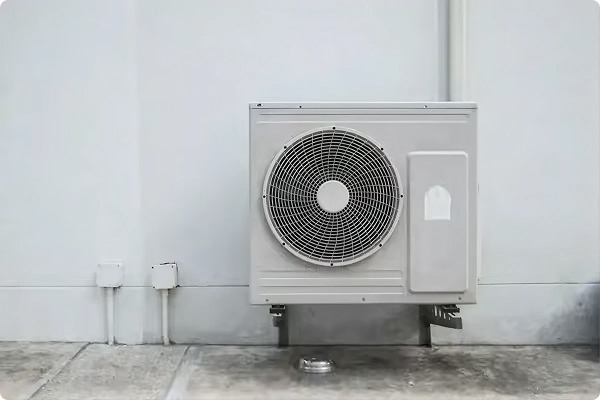
A multi-zone mini-split system pairs one outdoor condenser with 2 to 8 indoor heads, each in a different room. Each head cools or heats only the room it’s in, and each has its own remote or wall thermostat.
Mini-splits are the simplest way to add zoning to a home that either doesn’t have ductwork or has ductwork that can’t be zoned effectively. They’re also the most common zoning solution for room additions, finished attics, garages, and older homes. A small-duct high-velocity system is a related option that combines central-style delivery with hidden 2-inch tubing and can be zoned with multiple air handlers or dedicated damper control.
Benefits of HVAC Zoning
Energy savings get most of the attention, but zoning delivers several other advantages that Twin Cities homeowners notice right away.
- Comfort in every room. No more cold basements while upstairs bedrooms swelter.
- Individual control. Family members can set their own bedroom or office temperatures without arguing about the thermostat.
- Reduced HVAC wear. The main equipment runs less overall because it only conditions the zones calling for it. Less runtime means less wear on the compressor, blower, and other components.
- Better handling of natural temperature variation. South-facing rooms, upstairs bedrooms, and basements all have different cooling needs. Zoning matches supply to demand instead of overshooting and undershooting.
For homes with persistent comfort problems that filters, tune-ups, and thermostat adjustments haven’t solved, zoning is often the fix that actually works.
How Much Can Zoning Save on Energy Bills?
Industry research suggests HVAC zoning can save up to 30% on heating and cooling costs, depending on home size, layout, and usage.
That range assumes proper zoning implementation. Actual savings depend on:
- Home size and layout
- Number of zones installed
- How the household actually uses different rooms
- Existing insulation and window quality
- Whether the main HVAC equipment can adjust its output up or down based on demand, rather than running at full blast or not at all
For most Twin Cities homes, real-world savings land between 15% and 30%. A home with $200 monthly summer cooling bills could see $30 to $60 per month in savings during peak cooling, and similar reductions on winter heating.
Is HVAC Zoning Right for Your Home?
Zoning isn’t the right solution for every home, but for homes with persistent comfort problems, it can make a dramatic difference.
Zoning makes the most sense in:
- Multi-story homes with uneven cooling between floors
- Large homes where some areas are rarely used
- Homes with rooms that consistently feel warmer or colder than the rest
- Homes with home offices, nurseries, or rooms with unique temperature needs
- Homes with variable-speed HVAC equipment that can throttle output to match zone demand
Zoning may not be worth it in:
- Small single-story homes with even airflow
- Homes with older single-stage HVAC equipment that runs at full capacity or not at all
- Homes with limited or damaged ductwork that isn’t a good candidate for retrofit
A licensed installer can evaluate your ductwork, equipment, and home layout to help you decide whether zoning makes financial sense for your situation.
How Much Does HVAC Zoning Cost?
Ducted zoning costs vary based on number of zones, ductwork complexity, and whether the project is a new install or a retrofit. According to HomeGuide, an HVAC zoning system costs $1,700 to $4,500 on average, with a two-zone retrofit running $1,700 to $2,800 and each additional zone adding $350 to $500.
Single-zone mini-split systems typically run $3,000 to $8,000 installed, while multi-zone setups range from $5,000 to $15,000 or more depending on the number of zones.
For ducted retrofits, existing duct condition matters a lot. Undersized or leaky ducts often need repair before dampers can be installed. Smart thermostats, one per zone, run $100 to $250 each and are often included in the zoning install.
When you work with Hero Home Services, financing is available for larger zoning projects through Service Finance Company, LLC, including 0% APR options for qualified buyers.
Frequently Asked Questions
What’s the difference between HVAC zoning and multiple systems?
Zoning gives multiple thermostats independent control over one central HVAC system through dampers. Multiple systems mean separate HVAC equipment for each area, which costs more but delivers even more precise control. Most homes only need zoning.
Can HVAC zoning be added to existing ductwork?
Usually, yes. Retrofitting motorized dampers to existing ductwork is straightforward when the ducts are in good condition, properly sized, and reasonably accessible. A licensed installer can evaluate compatibility during an in-home assessment.
Do smart thermostats work with HVAC zoning?
Yes. Smart thermostat installation is central to modern zoning setups. Each zone gets its own smart thermostat, which coordinates with the zone controller and adds learning, scheduling, and remote access to each room.
How many zones can one HVAC system support?
Most residential zone controllers handle 2 to 6 zones. Larger homes with unusual layouts sometimes need two zone controllers working together to cover 7 to 12 zones.
Does HVAC zoning work in cold weather?
Yes. Zoning applies to both heating and cooling, though the savings ratio tends to be slightly better in summer than winter in cold climates like Minnesota.
Wondering If Zoning Is Right for Your Home?
If some rooms in your home are always too hot or too cold, or if your energy bills don’t match your comfort level, zoning may be the answer. A Hero Home Services technician can evaluate your ductwork, equipment, and layout and walk you through whether ducted zoning or a mini-split setup makes more sense for your home. Every quote is provided in writing before any work begins, and there are no dispatch fees on any service call. Call or text us to schedule a consultation.