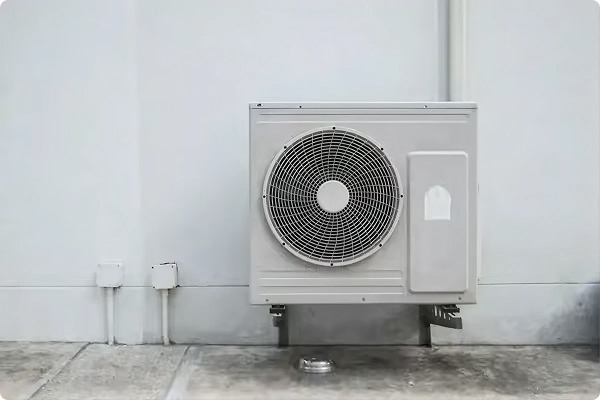

Air conditioners save lives during hot weather. However, a neglected AC can be a health risk. It can develop mold, accumulate allergens, and circulate them through every room in your home.
Here’s what you need to know about residential AC health risks and how to keep your system running clean.
How Air Conditioning Protects Your Health
Air conditioning protects against heat illness during extended hot weather. Heat exhaustion and heat stroke can sneak up on you, and the highest risk groups (older adults, young children, people with chronic illnesses) benefit most from a reliably cool indoor space.
Your AC doesn’t just control the air temperature; it also pulls humidity out of indoor air. Lower humidity slows the growth of mold and dust mites in your home, both of which are common allergy and asthma triggers.
A properly maintained AC also filters airborne particles. Every time the blower runs, the system removes pollen, dust, and pet dander from the air before they settle on furniture and bedding. For homeowners dealing with summer pollen, ragweed, and humid air, that filtration is a real health benefit.
Mold and Mildew Growth in AC Systems
AC systems pull warm, humid air across a cold metal coil. Condensation forms on the coil, drips into a pan, and exits the home through a condensate line. When the system is well maintained, that process stays sealed and clean. When it isn’t, the coil, drain pan, and ductwork become damp environments where mold and mildew can grow.
Once spores get established inside the ductwork, every cooling cycle pushes them into the rooms of your house. Regular air duct cleaning catches this before it becomes a respiratory issue.
Symptoms that point to AC-related mold:
- A musty smell when the system kicks on
- Persistent allergy symptoms that worsen indoors
- Dark spots near return vents or supply registers
- Visible water staining around the indoor air handler
Mold inside the ducts is not a DIY fix. If you notice any of those symptoms, schedule a duct inspection.
Bacteria and Poor Indoor Air Quality
A poorly maintained AC system creates several conditions where bacteria can thrive. Standing water in an AC drain pan, biofilm on the evaporator coil, and dust buildup in the blower wheel are all perfect environments for bacterial growth.
Staying ahead of bacterial growth comes down to three habits:
- Keep the drain pan clear
- Change filters on schedule
- Have a technician clean the coil and blower annually
Homes that go more than two years without coil cleaning often have visible biofilm by the time the access panel comes off. Annual maintenance keeps the system running clean and the indoor air quality where it should be.
Dirty Air Filters and Allergens
The air filter is the AC’s first line of defense against pollen, dust, pet dander, and other allergens. When it’s clean, it does its job. When it’s dirty, it stops trapping particles and starts releasing them back into the airflow.
It’s best to change your filter every 1 to 3 months during peak cooling season, or once a month if you have multiple pets or anyone in the home with asthma or seasonal allergies.
If you’re not sure if it’s time to change it, hold the filter up to a light. If you can’t see light through it, it’s overdue. MERV 8 to MERV 11 filters strike a good balance between filtration and airflow in most homes.
Dry Air and Respiratory Irritation
Your AC pulls moisture out of the air in your home. That’s usually a good thing, especially in the summer, but it can be overdone. Indoor humidity that drops below 30 percent can dry out the eyes, nose, and throat, irritate the airways, and worsen symptoms for anyone with asthma or chronic sinus issues. Low humidity also dries out wood floors, furniture, and houseplants over time.
The fix is about striking a balance. Aim for indoor humidity between 40 and 50 percent during the cooling season. A digital hygrometer can tell you exactly where your home stands. If your home consistently runs dry while the AC is on, a whole-home humidifier or an evaluation of system sizing can help.
How to Keep Your AC From Making You Sick
Almost every health risk on this list comes down to maintenance. A few simple habits prevent the issues:
- Change the air filter every 1 to 3 months
- Run a wet/dry shop vac on the condensate drain line once a year to keep standing water out of the drip pan
- Schedule annual professional AC maintenance, which includes coil cleaning, condensate inspection, and blower checks
- Have your ductwork inspected every 3 to 5 years, sooner if you smell musty air or see dark staining at the registers
- Aim for indoor humidity between 40 and 50 percent
If you’re noticing musty smells, persistent allergy symptoms, or any of the issues described above, schedule an indoor air quality assessment. A technician can recommend the right fix.
Frequently Asked Questions
Can air conditioning cause a sore throat?
Yes, indirectly. Indoor air that’s too dry can irritate the throat, sinuses, and eyes. If your home consistently runs below 30 percent humidity while the AC is on, that’s the most likely culprit.
Can a dirty air filter cause allergies?
Yes. Dirty filters, dusty ducts, and mold on the coil can all circulate allergens through your home. Filter changes, coil cleaning, and a duct inspection are the standard first steps to reduce your symptoms.
Should I get my air ducts cleaned?
Most homes benefit from a duct cleaning every 3 to 5 years. It’s a good idea to schedule one if you’ve recently moved in, finished a remodel, see visible dust or staining at the registers, or notice a persistent musty smell when the AC runs.
Can air conditioning cause sinus problems?
Indirectly, yes. Dry air, circulated dust, or mold spores can all contribute to sinus irritation. If sinus symptoms started or got worse when you began running the AC heavily, check your indoor humidity, change your filter, or schedule a duct inspection.
How often should I have my AC professionally cleaned?
Schedule professional AC maintenance once a year, ideally in spring. Annual visits include coil cleaning, drain line inspection, and blower checks, which together prevent most of the indoor-air-quality issues described above.
Your AC Should Be Part of the Solution, Not the Problem
A well-maintained system filters allergens, controls humidity, and keeps your indoor air clean all summer long. If yours hasn’t been serviced in a while or you’re noticing any of the symptoms described above, Hero Home Services is ready to help. Call or text us to schedule AC maintenance, air duct cleaning, or an indoor air quality assessment across the Twin Cities.