
Before heating season kicks in, a few simple checks put a furnace in good shape for the first cold snap. Taking an hour in late summer to work through the basics means fewer surprises when the temperature drops and the system runs hard for the first time in months.
Here are seven steps to complete before the heating season starts.
Step 1: Replace or Clean the Furnace Filter
The furnace uses the same filter housing as the AC in most Twin Cities homes. If the filter didn’t get swapped at the end of the cooling season, this is the first thing to handle.
How often filters need to be replaced depends on what type you have:
- Disposable pleated (MERV 8 to 11): every 1 to 3 months during the operating season
- High-efficiency filters (MERV 13 and above): every 3 to 6 months
- Washable filters: rinse monthly during heavy use
Homes with pets, smokers, or allergy sufferers benefit from monthly changes. When buying a replacement, match the size printed on the frame of the old filter exactly.
A dirty filter restricts airflow across the heat exchanger, forces the blower motor to work harder than it should, and can trigger the furnace’s safety-limit shutdowns during peak heating demand.
Step 2: Clear the Area Around the Furnace
The space around a furnace matters for safety, airflow, and service access. The start of heating season is a good time to take stock of what has accumulated in the mechanical room over the summer.
Furnace safety guidelines:
- Keep all flammable materials like paint, gasoline, propane tanks, and cleaning supplies at least 6 feet from the furnace
- Remove cardboard boxes, stored belongings, and yard tools
- Clear dust and debris from the base of the unit
- Clear anything blocking the combustion air intake or exhaust
Keep at least three feet of clearance on all sides of the furnace and a clear path for service technicians to reach the equipment. Boxes stacked against a furnace can catch fire from radiant heat. Gasoline storage nearby is a serious hazard. Take twenty minutes to clear the space before the furnace runs for the first time this fall.
Step 3: Check Vents and Registers Throughout the Home
A blocked or closed supply vent doesn’t save energy. It increases static pressure inside the ductwork, strains the blower motor, and creates uneven heating across the home. Walk through every room before the heating season and make sure the system can actually do its job.
What to check:
- All supply registers are open and unobstructed
- No furniture, rugs, or curtains sitting on or over a vent
- Register covers are clean and free of dust or pet hair
- Return grilles are unobstructed
- No rooms feel dramatically colder than others when the heat runs
If some rooms consistently heat poorly regardless of vent position, that points to a ductwork or airflow issue that warrants a technician’s assessment.
Step 4: Test Your Thermostat Before You Need It
The thermostat is one of the most overlooked pieces of the system and one of the most common reasons a furnace appears not to work in the fall. Test it before the first cold night, not during it.
How to test:
- Switch the thermostat from “Cool” to “Heat”
- Set the temperature 3 to 5 degrees above the current room temperature
- Confirm the furnace starts within a minute or two
- Verify that warm air is coming from the vents within 5 to 10 minutes
- Listen for unusual sounds and note any smells. A mild burn-off odor during the first run of the season is normal.
If the thermostat runs on batteries, swap them now. For older mercury or basic digital thermostats, consider upgrading to a smart thermostat for scheduling, remote control, and lower heating bills.
Step 5: Inspect the Flue and Exhaust Pipes
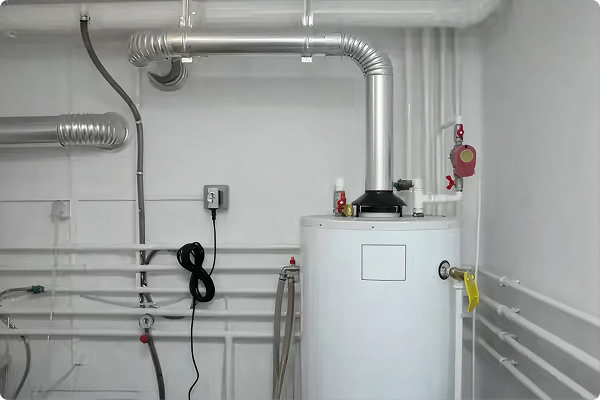
Your furnace has a pipe or vent that carries combustion gases, including carbon monoxide, safely out of the home. It usually exits through the roof or an exterior wall. A blockage or crack in that pipe isn’t a minor maintenance issue. It’s a safety concern that needs immediate attention.
Here’s what to check before the first run of the season:
- Go outside and find where the vent exits the house. Look for bird nests, wasp nests, leaves, or debris blocking the opening. These are especially common after a summer of sitting dormant.
- Inside the home, follow the metal pipe from the furnace toward the wall or ceiling and look for any sections that appear rusty or cracked, or that have pulled apart at the joints.
- If you have a chimney, check the cap on top for visible damage.
If everything looks clear and intact, you’re good. If you find a blockage you can’t fully remove, or any cracks or separations in the pipe, call a professional before running the furnace. A damaged vent can push combustion gases back into your living space, which is dangerous. This is not a DIY repair.
Step 6: Test and Install Carbon Monoxide Detectors
Carbon monoxide is colorless and odorless. A CO detector is the only warning most households will get before exposure becomes dangerous. Before the furnace runs for the first time this fall, check every detector in the home.
Press the test button on every CO detector. Replace the batteries in any battery-powered unit. Then check the manufacture date stamped on the back of each detector. CO detectors typically last five to seven years. After that, the sensor degrades and the detector can no longer be trusted to catch low-level exposure, even if the alarm speaker still sounds when you press the test button.
Placement guidelines:
- One CO detector on every floor of the home
- One in or near every sleeping area
- One near the furnace, water heater, or any other gas appliance
- 10 to 15 feet from the furnace, not directly adjacent, which can trigger false alarms
If a CO detector sounds and you haven’t just pressed the test button, treat it as real. Get everyone out of the home, call 911 from outside, and don’t go back in until the fire department has cleared the space.
Step 7: Schedule a Professional Fall Inspection
The six steps above cover what a homeowner can see and reach. A professional fall inspection covers what they can’t: heat exchanger condition, gas valve operation, ignition system performance, blower motor amp draw, and safety switch verification. Most professional heating maintenance visits run sixty to ninety minutes.
Most manufacturers also require documented annual professional service to keep the warranty active. According to Angi, an advanced furnace inspection costs $125 to $200 and includes cleaning and a tune-up. For year-round scheduled maintenance across heating, cooling, plumbing, and electrical, the Happy Home Club covers scheduled service visits, no dispatch fees, and 20% off HVAC repairs for $14.95 per month.
Frequently Asked Questions
When is the best time to schedule fall furnace maintenance?
Between late August and early October in the Twin Cities, before the first hard freeze arrives. Booking ahead of the first cold snap means better availability and a furnace that’s ready before you need it.
How often should the furnace filter be replaced?
Every one to three months during operating season for standard pleated filters. Homes with pets or allergy sufferers typically need changes every month. Match the dimensions on the old filter when buying a replacement.
How long do CO detectors last?
Typically 5 to 7 years from the manufacture date, not the purchase date. Pressing the test button confirms that the alarm speaker works, not that the sensor is still accurate. Check the date on the back of each detector and replace any that are past their service life.
What’s the biggest safety risk during fall furnace startup?
Carbon monoxide exposure from a cracked heat exchanger or a blocked flue. Working CO detectors and a professional fall inspection together are the most effective defenses against both.
How much does a professional fall furnace inspection cost?
According to Angi, a furnace inspection in Minneapolis typically runs $80 to $100 for a basic inspection and $125 to $200 for a full tune-up including cleaning. Happy Home Club members receive scheduled maintenance as part of the $14.95 per month membership.
Don’t Wait for the First Cold Night
A few hours of prep in September is a lot easier than an emergency furnace call in January. If you’d rather leave the inspection to a licensed technician, Hero Home Services is ready to help. We’ve been keeping Twin Cities homes warm since 1914. Call or text us to schedule your fall furnace inspection before the cold weather arrives.