
Choosing a water heater is a decision most homeowners make only once every 8 to 15 years. The options have expanded considerably over the last decade, and the right answer depends on the home, the budget, and the fuel source already in place. Here’s what you need to know about the three main types available for Twin Cities homes, what each one costs to install and operate, and how to decide which fits your situation.
Traditional Tank Water Heaters
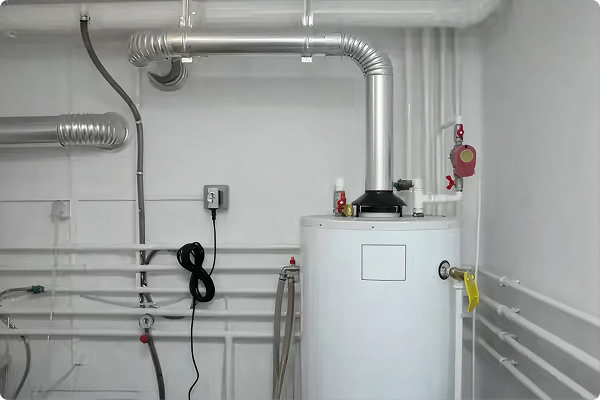
A tank water heater stores hot water in a large, insulated tank, typically 30 to 80 gallons, kept at a consistent temperature by a gas burner or electric element. This has been the residential standard for decades, and for good reason. Tank heaters are straightforward to install, easy to repair, and the most affordable option upfront.
Common brands Hero Home Services installs include Rheem, Bradford White, A.O. Smith, and Rinnai. Each offers a range of sizes, efficiency ratings, and warranty options (typically running 6 to 12 years on the tank).
Pros:
- Lowest upfront cost
- Simple installation
- Reliable in cold-climate homes
- Easy to repair
Cons:
- Larger footprint than other options
- Standby energy loss when the tank sits idle
- Limited hot water during heavy simultaneous use
According to Angi, tank-style water heater replacement costs $882 to $1,825 nationally. Your final cost will vary depending on tank capacity, fuel type, and installation complexity.
Tankless Water Heaters
A tankless water heater heats water on demand, only when you turn on a tap. There’s no storage tank, no standby heat loss, and an endless supply of hot water as long as the flow rate stays within the unit’s capacity.
Common brands Hero Home Services installs include Rinnai, Navien, Rheem, and Bosch. Gas and electric models are both available, though gas is the more practical choice in the Twin Cities. Electric tankless units require significantly more electrical capacity to handle Minnesota’s cold incoming water temperatures.
Pros:
- Endless hot water
- Compact wall-mount footprint
- 20 to 25-year lifespan
- Higher efficiency than a standard tank
Cons:
- Higher upfront cost
- May require a gas line or electrical upgrade
- Brief startup lag before hot water arrives
- Flow rate limits during heavy simultaneous use
According to Angi, a tankless water heater in Minneapolis costs $3,823 on average, with most homeowners paying between $1,919 and $6,072 depending on size, fuel type, and installation complexity.
Heat Pump Water Heaters
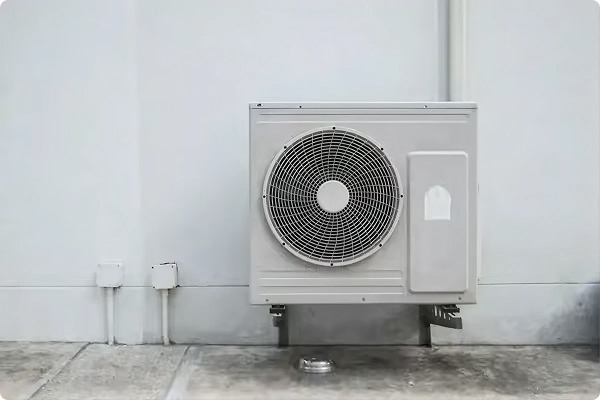
Heat pump water heaters, sometimes called hybrid water heaters, work by pulling heat from the surrounding air and transferring it into the water rather than generating heat directly. They’re the most energy-efficient water heater option available for electric homes.
According to ENERGY STAR, certified heat pump water heaters use 70% less energy than standard electric water heaters, which can save a household of four approximately $550 per year on electric bills.
Common brands Hero Home Services installs include Rheem, A.O. Smith, and select models from Bradford White. Most heat pump water heaters run on electricity.
Pros:
- Lowest operating cost of any electric option
- May qualify for federal tax credits under the Inflation Reduction Act (verify current eligibility with a tax professional)
- 12 to 15-year lifespan
- Doubles as a dehumidifier for the installation space
Cons:
- Higher upfront cost than a standard tank
- Requires at least 700 cubic feet of surrounding air volume to operate efficiently
- Needs an installation space that stays above 40 degrees year-round
- Runs slightly louder than a tank heater
- Slower hot water recovery than a gas tank
According to Angi, professional heat pump water heater installation costs between $3,200 and $4,700 before rebates and tax credits.
Which Type Is Right for Your Home? A Side-by-Side Look
Here’s how the three types compare across the factors that matter most for Twin Cities homeowners:
- Upfront cost — Tank: Lowest. Tankless: Highest. Heat Pump: Middle.
- Operating cost — Tank: Highest. Tankless: Middle. Heat Pump: Lowest.
- Lifespan — Tank: 8 to 12 years. Tankless: 20 to 25 years. Heat Pump: 12 to 15 years.
- Space needed — Tank: Medium. Tankless: Smallest (wall-mount). Heat Pump: Largest (needs air volume).
- Hot water supply — Tank: Limited by tank size. Tankless: Endless within flow limits. Heat Pump: Comparable to tank, slower recovery.
- Best for — Tank: Budget-priority replacements. Tankless: Heavy simultaneous use. Heat Pump: Long-term efficiency and lower bills.
How to Choose the Right Water Heater for Your Home
A few practical questions help narrow the choice quickly:
- How many people are in your household, and how often do multiple showers run at the same time? High simultaneous demand favors a large tank or a tankless unit.
- Is your utility space heated year-round? Heat pump water heaters need a space that stays above 40 degrees, which rules out unheated garages and most crawl spaces in the Twin Cities.
- Do you have gas or electric service already in place? Gas tankless is the more common cold-climate choice. Heat pump water heaters are electric only.
- Are you looking for a lower upfront cost or a lower monthly energy bill? Tank heaters win on installation price. Heat pump and tankless units pay back the difference over time through energy savings.
- Is this an emergency replacement or a planned upgrade? Emergency situations often default to the same type as the failing unit for speed. Planned upgrades allow time to compare all three options and take advantage of rebates and financing.
A licensed Hero Home Services plumber can walk you through these questions during a free in-home assessment and provide itemized quotes for each option that fits your home.
What to Expect During Installation
Installation timelines vary by type:
- Tank replacement: 3 to 5 hours, same-day service in most cases
- Tankless installation: 6 to 10 hours for a straightforward swap, 1 to 2 days if gas line upgrades or venting changes are needed
- Heat pump installation: 4 to 6 hours for a straightforward electric replacement, longer if electrical panel work is required
Every installation includes:
- Permit and inspection, handled by the licensed installer
- Removal and disposal of the old unit
- Pressure test and system startup
- A homeowner walkthrough on operation and maintenance
Emergency same-day replacements are available for failed units.
Frequently Asked Questions
How long does a water heater last?
Tank water heaters typically last 8 to 12 years. Tankless units last 20 to 25 years. Heat pump water heaters last 12 to 15 years. Annual maintenance and regular flushing extend the life of all three types. Happy Home Club members receive a free annual water heater flush as part of their membership.
Is it worth switching from a tank to a tankless water heater?
For households with high hot water demand and homeowners planning to stay in their homes for ten or more years, the math usually favors tankless. Energy savings and a longer lifespan offset the higher upfront cost over time. For short-term ownership or budget-priority replacements, a tank is often the most practical choice.
Do heat pump water heaters work in Minnesota winters?
They work well in Minnesota as long as the installation space stays above 40 degrees year-round. A heated basement or utility room is the right fit. An unheated garage or crawl space is not. Cold ambient air forces the unit into electric resistance heating mode, which eliminates the efficiency advantage that makes heat pump water heaters worth the investment.
When does repair make more sense than replacement?
Repair is usually the right call for units under 10 years old with an isolated, affordable problem. Replacement becomes the better investment when the tank is leaking, the unit is more than 12 years old, or the repair cost approaches half the price of a new system.
What federal tax credits apply to water heaters?
Heat pump water heaters may qualify for a federal tax credit under the Inflation Reduction Act, potentially up to $2,000 or 30% of the installed cost, whichever is lower. Eligibility and amounts change, so confirm current details with a tax professional before making a purchase decision.
Not Sure Which Water Heater Is Right for Your Home?
A Hero Home Services plumber can walk you through all three options, measure your home’s hot water demand, and provide itemized written quotes before any work begins. We apply no pressure and offer same-day emergency replacements for failed units. Call or text us to schedule a free water heater assessment.