
If your home was built before central air conditioning was common, installing it without tearing up walls and ceilings is a real challenge. Unico small-duct systems are designed specifically for older homes. Here are the ten questions Twin Cities homeowners ask most often before deciding whether a Unico system is right for their home.
Question 1: What Is a Unico AC System?
Unico is a brand name for a specific type of small-duct, high-velocity air conditioning system. Unlike traditional central AC, which pushes air through large metal ducts that take up significant space inside walls and ceilings, Unico systems use 2-inch flexible tubing that’s small enough to snake through your home’s existing wall cavities and joist bays. That means no major demolition to add central cooling.
Unico has been making these systems since 1985 and is one of the most well-known names in small-duct cooling, particularly for older homes that weren’t built with ductwork in mind. The system is a popular choice in the Twin Cities, where many homes were constructed long before modern HVAC standards existed.
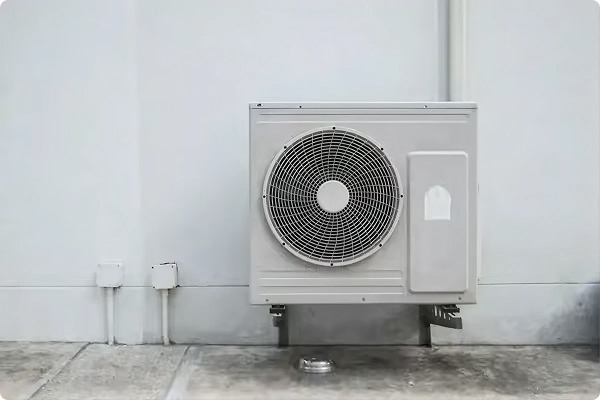
The system has three main parts: an air handler in your attic, basement, or a large closet; an outdoor condenser; and small round outlets in each room where the cool air comes out. From a distance, those outlets look like small smoke detectors. Most people barely notice them.
Question 2: How Does a Unico System Work?
The air handler pulls warm air across a cold coil and sends the cooled air through the tubing at high speed. When it exits the small outlets, that high-velocity air pulls the surrounding room air into the stream. The result is even, draft-free cooling throughout the room rather than a cold blast aimed at one spot.
Question 3: What Are the Main Benefits of a Unico System?
Unico systems work especially well in older Twin Cities homes for a few specific reasons:
- Tubing that fits through existing wall cavities without major demolition
- Small round outlets that are more discreet than traditional registers
- Humidity removal about 30 percent higher than conventional central AC
- Even cooling with fewer hot and cold spots
- Full compatibility with existing boiler heat, so radiators stay in place
For historic homes, plaster-wall renovations, and homes without central ductwork, Unico is often the least disruptive option.
Question 4: Does Installing a Unico System Require Major Renovations?
No, and that’s one of the main benefits. The crew needs a few small holes for tubing runs, a location for the air handler, and a spot for the outdoor condenser. That’s about it.
What the installation actually involves:
- Small access holes through walls and ceilings to route tubing
- A dedicated space for the air handler in the attic, basement, or a large closet
- Electrical service for the outdoor condenser
- A condensate drain from the air handler
Existing walls, moldings, and finished spaces stay intact. Any small access holes get patched and painted before the crew wraps up.
Question 5: How Long Does Installation Take and What Should I Expect?
Installation in most single-family homes takes three to five days. Larger or more complex layouts can run five to seven days.
A typical installation timeline:
- Day 1: The outdoor condenser is mounted and the air handler is placed in its planned location
- Day 2: Tubing runs are mapped and routed through wall cavities
- Days 3 to 4: Refrigerant lines, electrical connections, and outlet placement are completed
- Final day: The system is tested, airflow is balanced across every room, and a technician walks you through how everything works before wrapping up
As for noise, modern Unico systems are no louder than traditional central AC systems and are often quieter. The air handler is typically installed in an attic or basement, so you don’t hear the main unit at all. At the room outlets, the airflow makes a soft whoosh rather than the loud rush of a traditional register. Outlet noise typically measures 34 to 40 decibels, roughly the level of a quiet library. Most homeowners who notice it at first stop noticing it within a few days.
Question 6: What Do the Outlets Look Like?
Unico outlets are round, about the size of a golf ball, and available in white or several wood finishes, including oak, cherry, and maple. They can be placed in ceilings, high on walls, or at floor level.
In most homes, the outlets are far less visible than traditional supply registers or ductless mini-split heads. That difference is the reason Unico is popular in historic homes and design-conscious renovations.
Question 7: Can I Add a Humidifier to a Unico System?
Standard whole-home humidifiers aren’t a good match for a Unico system. They’re built to work with the large return ducts of a traditional forced-air system, and Unico’s small tubing and high-velocity airflow don’t give them what they need to distribute moisture evenly. The result is inconsistent humidity and condensation problems inside the tubing.
The practical solution is portable humidifiers in the rooms that need them most. A Hero technician can discuss specialty options if your situation calls for it, but standard bypass or fan-powered whole-home humidifiers are not compatible with a Unico system.
Question 8: What Kind of Maintenance Does a Unico System Need?
Routine maintenance for a Unico system looks similar to what any central AC needs:
- Air filter replacement every 1 to 3 months during the cooling season
- Coil cleaning inside the air handler
- Refrigerant charge check
- Blower and motor inspection
- Condensate drain flush
The tubing requires almost no maintenance. The outlets can be vacuumed during regular cleaning. The air handler and condenser are where things wear over time, and catching small issues during a yearly visit costs far less than dealing with them after a breakdown.
Question 9: How Does a Unico System Compare to a Ductless Mini-Split?
Both systems work in homes without traditional ductwork, and both are worth considering. The main difference is what you see inside the house.
A Unico system hides everything in the walls and ceiling, with only small round outlets visible in each room. A mini-split mounts a visible indoor head on the wall in each zone, which stays in place as a permanent fixture in the room. Mini-splits usually cost less and offer more flexible zone control by design. Unico systems look cleaner and remove more humidity.
On zoning, Unico now supports multi-zone configurations through additional air handlers, dedicated dampers, or independently controlled outlet groups. Earlier versions of the system were single-zone only, so if room-by-room temperature control is important to you, it’s worth asking about current options when you get a quote.
If aesthetics matter, or if you have a historic home where wall-mounted equipment would be a problem, Unico is usually the better fit. If budget and zoning flexibility are the priorities, mini-splits are worth a closer look.
Question 10: How Much Does a Unico System Cost and Is It Right for My Home?
According to HVAC Review Hub, which uses Midwest labor rates in its estimates, Unico system installation typically costs $3,500 to $12,500 for common residential installations. Older Twin Cities homes with restricted attic access, plaster walls, or historic interiors can push costs higher. Every quote should be provided in writing with equipment models and labor itemized before any work begins.
Modern Unico systems typically achieve efficiency ratings between 15 and 20 SEER2 depending on the model and configuration, which is above the federal minimum of 13.4 SEER2 for northern-zone installations. A properly installed and regularly maintained system runs efficiently for 15 to 20 years.
Unico works best for a specific set of homes:
- Older Twin Cities bungalows, four-squares, and Victorians with plaster walls
- Homes with boiler or radiator heat and no existing ductwork
- Finished attics or historic interiors that can’t accept traditional ducts
- Homes where a hidden, central-style system is preferred over a visible wall-mounted unit
It’s probably not the right choice if your home already has functional ductwork in good condition. In that case, a traditional central AC or heat pump will almost certainly cost less. Twin Cities homeowners weighing their options can also explore the best AC systems for older homes to compare alternatives side by side.
Financing is available for larger projects through Service Finance Company, LLC, with 0% APR available for qualified buyers.
Schedule a Unico System Consultation with Hero
If a Unico system sounds like it might work for your Twin Cities home, Hero Home Services is ready to help. A licensed technician will walk through the house, talk through your cooling goals, and provide an itemized written estimate before anything is scheduled. Call or text us to book a consultation.