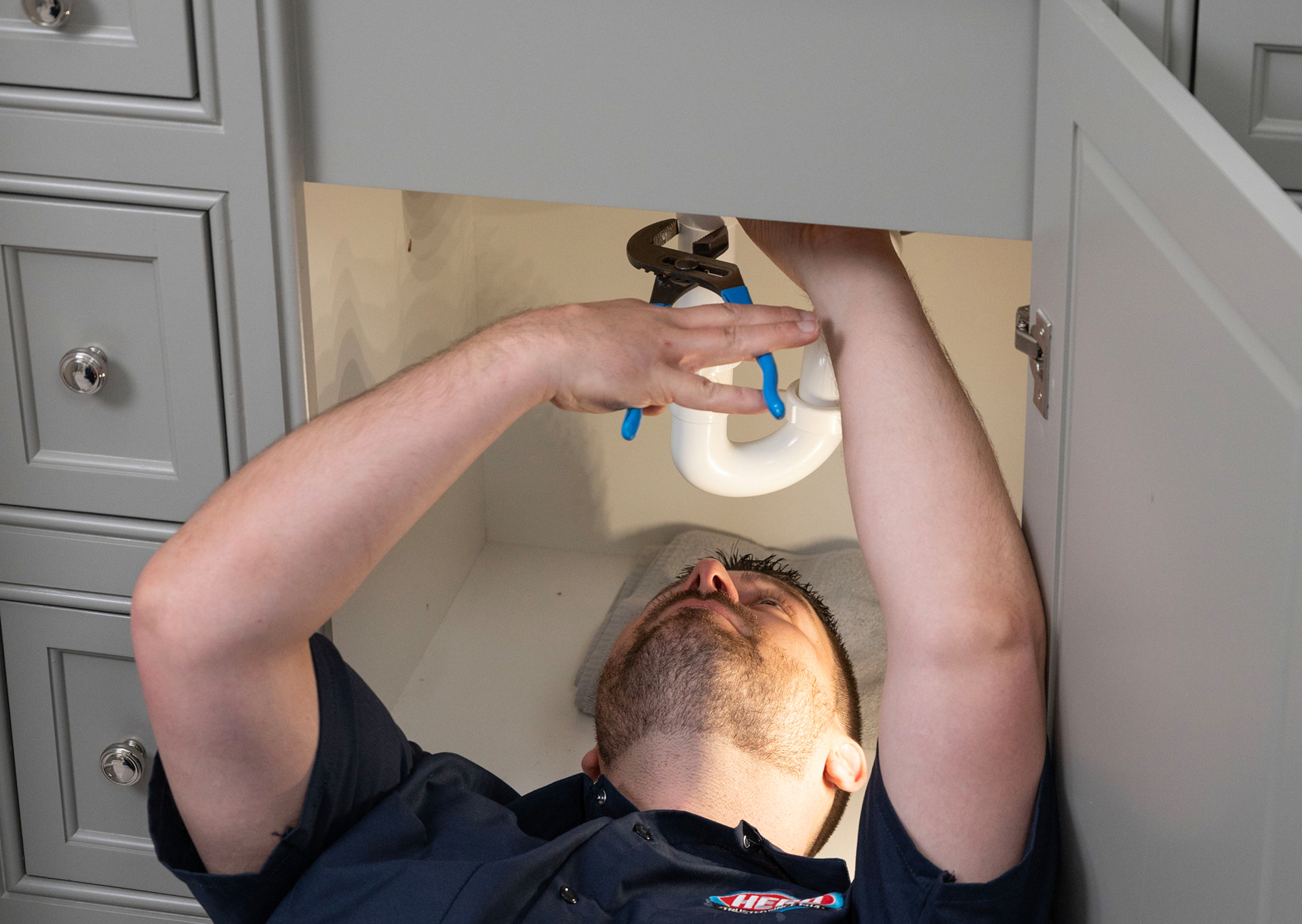
Gas ranges, fire pits, outdoor grills, generators, and gas fireplaces are the most common reasons homeowners add a new line.


Need Emergency Service?
We’re available 24/7 for Heating, Cooling, Plumbing, Drain, Duct & Electrical emergencies.
(612) 405-7366SIGNS YOU NEED A NEW GAS LINE
Signs Your Minneapolis, MN Home Needs a New Gas Line Installed
Whether you’re adding a new appliance or renovating your home, installing a new gas line should always be handled by a licensed professional. Some signs it’s time to have a new gas line installed include:

Adding a Gas Appliance
A new range, dryer, or fireplace often requires a dedicated gas line to be run safely to the appliance.

Home Renovation or Addition
Expanding or remodeling your home may call for new gas lines to serve updated spaces.
Outdated or Corroded Piping
Older gas lines made from deteriorating materials should be replaced before they become a safety hazard.
Frequent Gas Line Repairs
If your existing line needs constant repair, a full replacement is often the safer, more cost-effective option.
Insufficient Gas Pressure
Low gas pressure to your appliances can mean your current line is undersized for your home’s needs.
WHY HIRE A PROFESSIONAL
Get the Reliable, High-Quality Service You Deserve
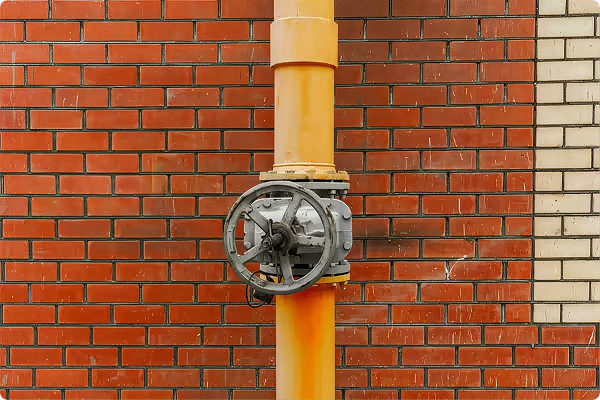
Adding a gas range, fire pit, generator, or outdoor grill means running a new gas line — and that’s a job for a licensed, permitted professional, not a DIY project. We handle the permitting, the connection to your main line, and the correct shut-off valve placement.
 BBB Accredited A+ Rated
-
24/7 Answering
-
Flat Rate Pricing
-
Veteran-Owned & Operated
-
Financing Available
-
No Breakdown Guarantee
FAQ
Common Questions About Gas Line Installation
What appliances typically need a dedicated gas line?
How deep does a gas line need to be buried?
Local code sets a minimum burial depth for gas lines, and it depends on where the line runs — under a driveway versus open yard, for example. We install to code for your specific site.
What permits are needed for a new gas line?
Gas line work requires a permit and inspection in Minneapolis and most surrounding cities — we handle the permitting and scheduling for you as part of the job.
Can I install a gas line myself?
No, installing a gas line is not a do-it-yourself project. If you don’t have a professional technician, like one of those from Hero Home Services, install your gas line, you are likely to encounter problems that place yourself and those in your home in danger.
Is electric cheaper than gas?
When it comes to deciding how to power your home and its appliances, your monthly energy bill budget is likely a big consideration. As such, it’s important to know that historically natural gas has been a cheaper option than electricity to heat a home and power its appliances.
How deep should gas lines be buried?
Generally speaking, gas lines are installed 18-24 inches below the ground. However, different climates and home systems may require a line to be installed at a different depth.
How do I locate buried piping?
It can be very dangerous when trying to excavate near a buried gas pipe. To locate your buried piping, call your local energy provider or give us a call at Hero Home Services.
How long will it take to get natural gas service installed?
It will depend on a lot of things to decipher how long it will take to get natural gas service installed for your home. A professional at Hero Home Services will help establish a timeline and plan that will identify when construction will start, and provide you regular updates throughout the process until gas service is available.
When do you need a gas line installation?
You will most likely need a gas line installation in the following circumstances: the gas pipes are old and/or worn out, a severe weather event or natural disaster damages the lines, you’ve experienced recurring gas leaks, you are in the process of constructing a new home or addition to an existing building, and/or you are upgrading your appliance. Gas line replacement and installation always needs to be done by a professional, so call a qualified technician at Hero Home Services when you’re thinking of replacing and installing new gas lines in your home.
Join the Hero Happy Home Club
The Happy Home Club is the easiest way to stay ahead of home plumbing service costs and everything else your home needs. Benefits include:
- Scheduled annual plumbing inspection
- Priority booking when call volume is high
- No dispatch fees, ever
- 10% off plumbing repairs and installs

RELATED SERVICES
More Plumbing Services
Water Heater Installation
Kitchen Plumbing Repair
Gas Line Installation
Frozen Pipe Repair
A major water leak is the obvious sign of a burst pipe — but a few more subtle clues can tip you off before things get that far.
Gas Line Repair
Your gas line quietly supports both your heating and plumbing systems, so when it breaks down, the ripple effects can reach much further than you’d expect.
Kitchen Plumbing Installation
Kitchen and bathroom plumbing rarely gets the glamour of a renovation project, but it’s doing essential work behind the scenes every single day.
Plumbing Repair
Your home only runs smoothly when its plumbing does, too. The moment something’s off, getting a professional to look at it is worth doing sooner rather than later.
Repiping
When a home’s hot and cold water pipes need to be fully removed and replaced, that’s a repiping job — and Hero Home Services’ technicians have the expertise to do it safely.
Water Line Repair
A working water line can still be a struggling one. Catching the telltale signs early — before a full break — can save you from a disaster that’s both messy and expensive.
Sump Pump Installation
Sump pumps work quietly below your home’s lowest level, collecting water and pushing it back outside — a simple system that keeps many homes safe from flooding.
Sump Pump Repair
A sump pump that suddenly stops working has a way of causing instant panic — and for good reason, since it’s a key line of defense against home damage.
Tankless Water Heater Maintenance
A tankless water heater is engineered to last 15 to 20 years, and that lifespan comes down to one thing: a clean heat exchanger.
Tankless Water Heater Repair
Tankless water heaters need repairs less often than traditional models, but they’re not immune. When something’s off, it’s best to address it the moment you notice a sign.
Water Heater Maintenance
Your water heater does more work than most homeowners realize, which is exactly why regular maintenance matters for keeping your whole plumbing system running smoothly.
Water Heater Repair
Hot water touches nearly everything you do at home, which is exactly why a water heater breakdown is never convenient — and rarely something to wait on.
Water Line Installation
Nearly every function in your home relies on one thing: the water main line bringing in clean, fresh water. It’s arguably the most vital piece of your plumbing system.
Water Softener Repair
A water softener’s job is simple: strip out the calcium and magnesium that create hard water. Without it, hard water can cause all kinds of issues throughout your plumbing system.
Water Filtration Installation
Thinking about a water filtration system but not sure it’s the right time? There’s no wrong time — Hero Home Services is ready to install one whenever you decide to make the move.
Tankless Water Heater Installation
One of the main benefits of a tankless water heater is that they do have a longer lifespan than most other models of water heaters. However, eventually the time does come to replace your tankless water heater.
Water Softener Installation
The water softener for your home provides a vital function to the functionality of your home and the comfort it provides to its occupants. Without your water softener operating in tip-top condition, your home will feel the effects of hard water.
